Weekly Digest, Issue #164, 28 Feb 2026

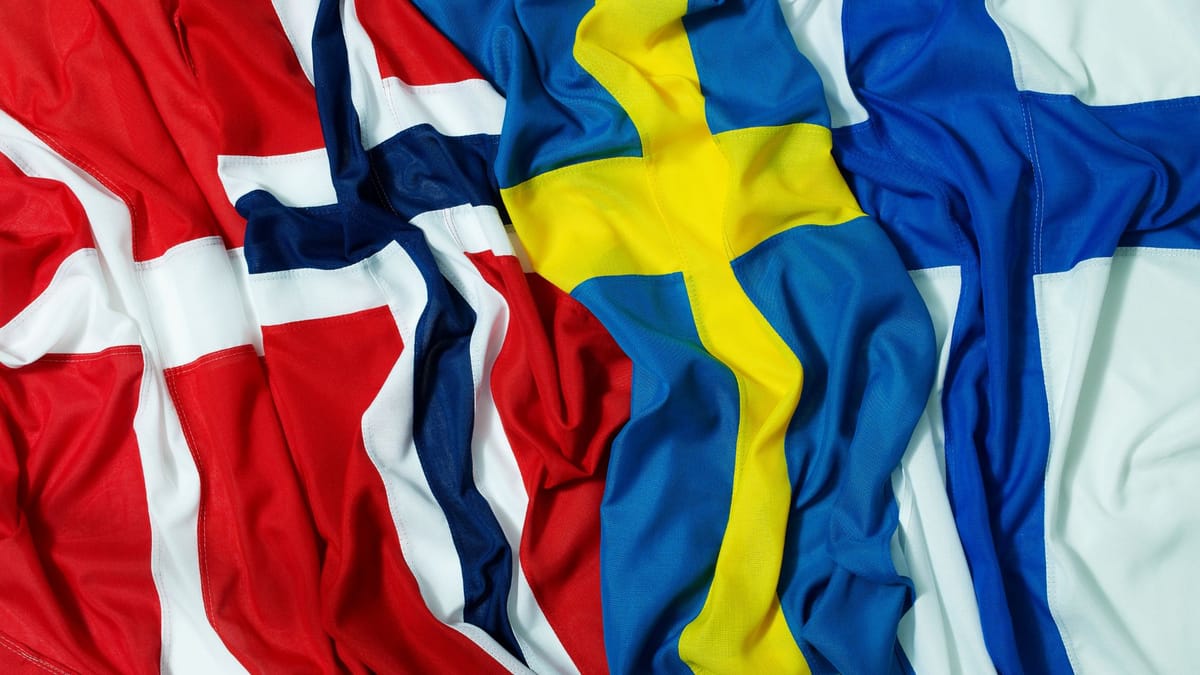
The Nordic High-Trust Model is Defying the Digital Gravity of Big Tech.
The Nordic region is widely seen as a global role model for democratic health and media freedom. While many countries face increasing polarisation and digital disruption, these five nations have maintained notable social cohesion. However, they are also experiencing the shift from traditional print revenue to platform-driven models influenced by Big Tech.
According to Nordicom's Nordic News Media Landscapes 2025 report, digitalisation has created a more level global environment, but news remains closely tied to language. These linguistic differences help protect the Nordic Model, as global platforms struggle to match the value of localised, culturally specific reporting.
The Norwegian Paywall Phenomenon
Norway demonstrates this resilience clearly, with 42% of its population paying for online news, compared to the European average of 15%. This success is often linked to the Amedia model, which uses a shared technical platform for over 70 local newspapers. However, Norway’s low income inequality is a key underlying factor.
Low inequality supports a strong subscription culture, which helps prevent market failure. Broadly shared prosperity maintains the value of community information and enables a sustainable financing model. As Nordicom notes, "This interdependent financing model proved highly profitable, especially for local newspapers that held dominant positions in their respective markets."
Trust as a Superpower
In the Nordic region, trust is a measurable asset. Nordic public service media providers are the most trusted news outlets in Europe. This established trust helps prevent fragmentation and is supported by foundation-owned organisations such as Schibsted, Amedia, and JP/Politiken. Their independence from short-term shareholder demands allows for a sustained focus on quality journalism.
The Hollowing Out of the Swedish Ad Market
The Swedish case demonstrates how quickly a commercial news market can decline. Between 2008 and 2024, the share of advertising investment in Swedish journalistic news media fell from 37% to 9%. This revenue has shifted to the search-engine duopoly of Alphabet and Meta.
Sweden now holds the second-highest search ad share in Europe at 55%, with a search market valued at about $1.8 billion, exceeding the combined markets of Denmark, Norway, and Finland.
This shift marks the breakdown of the traditional economic model that supported local reporting. Although Swedish journalism remains high-quality, it is now separated from the advertising market that sustained it for decades. The industry must replace lost revenue with digital subscriptions to ensure its future.
Tabloids with a Soul: The High-Trust "Evening Press"
In Norway and Finland, outlets such as VG (66% trust) and Ilta-Sanomat (64% trust) are respected national institutions, showing that the popular press can maintain high trust. In contrast, Denmark’s BT (43%) follows a more traditional, sensationalist approach.
Interestingly, legacy media organisations continue to outperform digital-native startups in terms of public trust. While platforms like Zetland and Nettavisen have gained some ground, they have not reached the levels of trust of established pre-digital outlets. As the report notes, "The Nordic news media landscape... is to a large extent dominated by news media from the pre-digital era."
The next decade will determine whether trust can endure beyond the traditional advertising market or if the Nordic model will ultimately align with global trends.